Back to All Problems
Health Protocol

Yoga for Lower Back Pain

Chronic or acute pain in the lumbar region, often caused by prolonged sitting, poor posture, or muscle strain.

How Yoga Helps

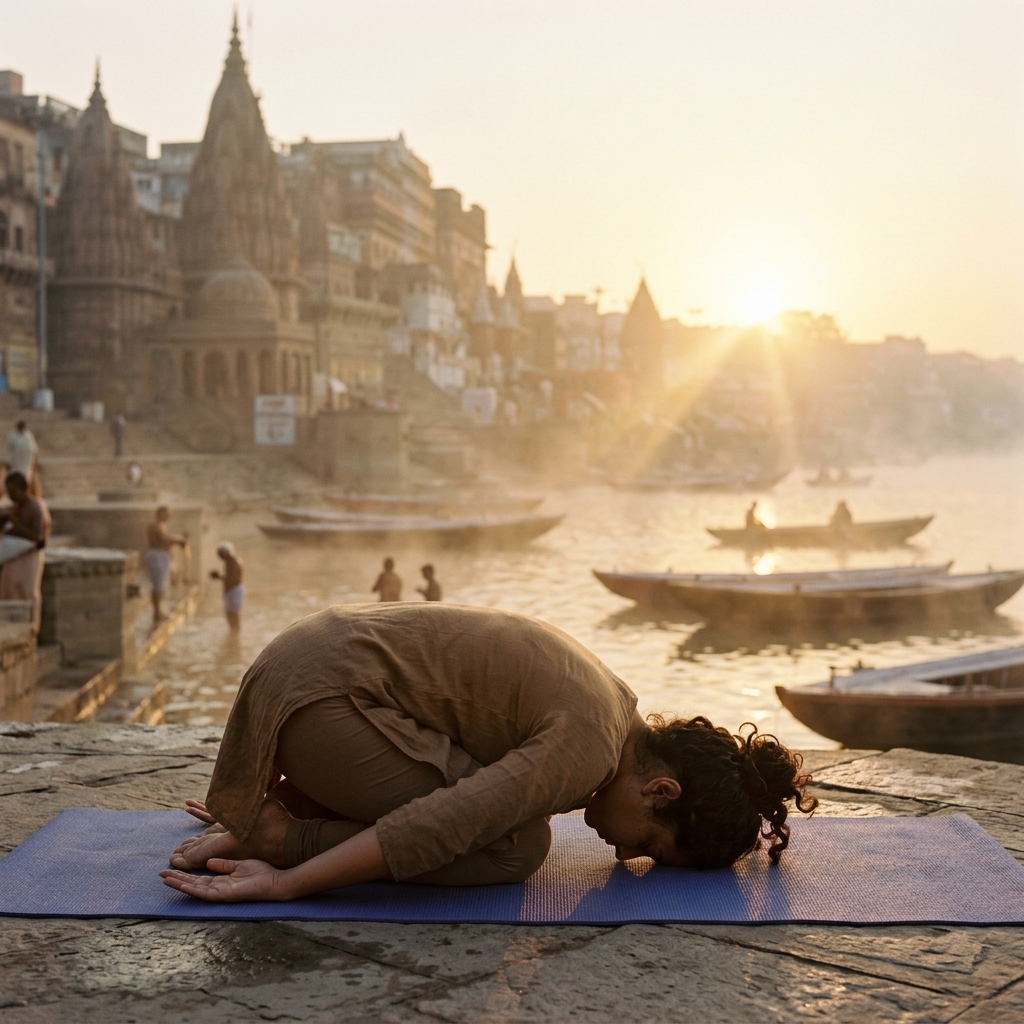
Yoga offers a comprehensive, natural approach to addressing lower back pain that works on multiple levels—physical, mental, and energetic. Unlike pharmaceutical interventions that merely mask symptoms, yoga addresses the root causes of back pain by strengthening the supporting musculature, improving spinal alignment, and releasing chronic tension patterns that accumulate from daily life. The practice begins with gentle mobilization of the spine through movements like Cat-Cow, which helps restore natural spinal curves and increases circulation to the intervertebral discs. As the spine warms up, targeted poses such as Cobra and Locust build strength in the erector spinae muscles that run along either side of the spine, creating a natural corset of support. Bridge Pose specifically engages the glutes and hamstrings, which are often underactive in people who sit for long periods, helping to rebalance the pelvis and reduce the anterior tilt that compresses the lumbar spine. Equally important are the hamstring stretches found in poses like Seated Forward Bend, because tight hamstrings pull on the pelvis and create strain in the lower back. When these muscles lengthen, the pelvis can find its natural position, and the spine can stack properly without compression. Beyond physical strengthening, yoga teaches body awareness—a crucial element for back health. Students learn to sense when they are slumping or overarchingly the lower back, allowing them to make micro-adjustments throughout the day that prevent pain from recurring. The breath work central to yoga practice oxygenates the muscles and fascia, promoting healing and reducing inflammation. Restorative poses like Child's Pose allow the nervous system to downregulate, which is essential because chronic pain and stress create a vicious cycle of muscle guarding and tension. Over time, regular practitioners find they can sit, stand, and move with less discomfort and greater ease. Yoga also addresses the emotional components often stored in the hips and lower back, helping release not just physical but psychological holding patterns. For those with disc issues, gentle twisting can provide space between vertebrae, though these must be approached cautiously and with professional guidance. The cumulative effect of consistent practice is a spine that feels more spacious, supported, and resilient. Many students report that after several months of regular practice, they can sit through long workdays without the stiffness that used to plague them, and activities like gardening, hiking, or playing with children become enjoyable rather than painful. Yoga is not a quick fix but a sustainable lifestyle approach that empowers practitioners with tools they can use anytime, anywhere to care for their backs.

Protocol FAQs

Many students report reduced pain within 2-4 weeks of consistent practice. Chronic cases may take 2-3 months of regular practice.

Consult your healthcare provider. Gentle forward bends with proper alignment can help, but avoid anything that causes shooting pain or numbness.

Stick to gentle, restorative poses like Balasana and supported Savasana. Avoid deep backbends during acute flare-ups.

Cat-Cow, Bhujangasana (Cobra), Setu Bandhasana (Bridge), Balasana (Child's Pose), and gentle twists. These poses strengthen the core and increase spinal flexibility.

Aim for 3-5 sessions per week, with daily gentle stretches. Consistency matters more than duration.

Certain forward folds can aggravate sciatica. Practice under guidance and stop any pose that causes nerve pain down the leg.

Yes. Dirgha (Three-Part Breath) and Nadi Shodhana (Alternate Nostril Breathing) calm the nervous system, reducing muscle tension and pain perception.

Start with 15-20 minute sessions and gradually increase to 30-45 minutes. Quality of movement is more important than length.

Definitely. Blocks, bolsters, and straps provide support, maintain alignment, and prevent strain.

If pain decreases gradually and mobility improves, it's working. Sharp, worsening pain means you should modify or stop certain poses.

Clinical Ayurvedic Care

Healing Begins with Authentic Therapy

While yoga helps manage symptoms, our specialized Ayurvedic therapies like Shirodhara and Vasti address the root cause of your health concerns. Experience professional care in the heart of Varanasi.

Book a Consultation
Root Cause Analysis
Traditional Detox