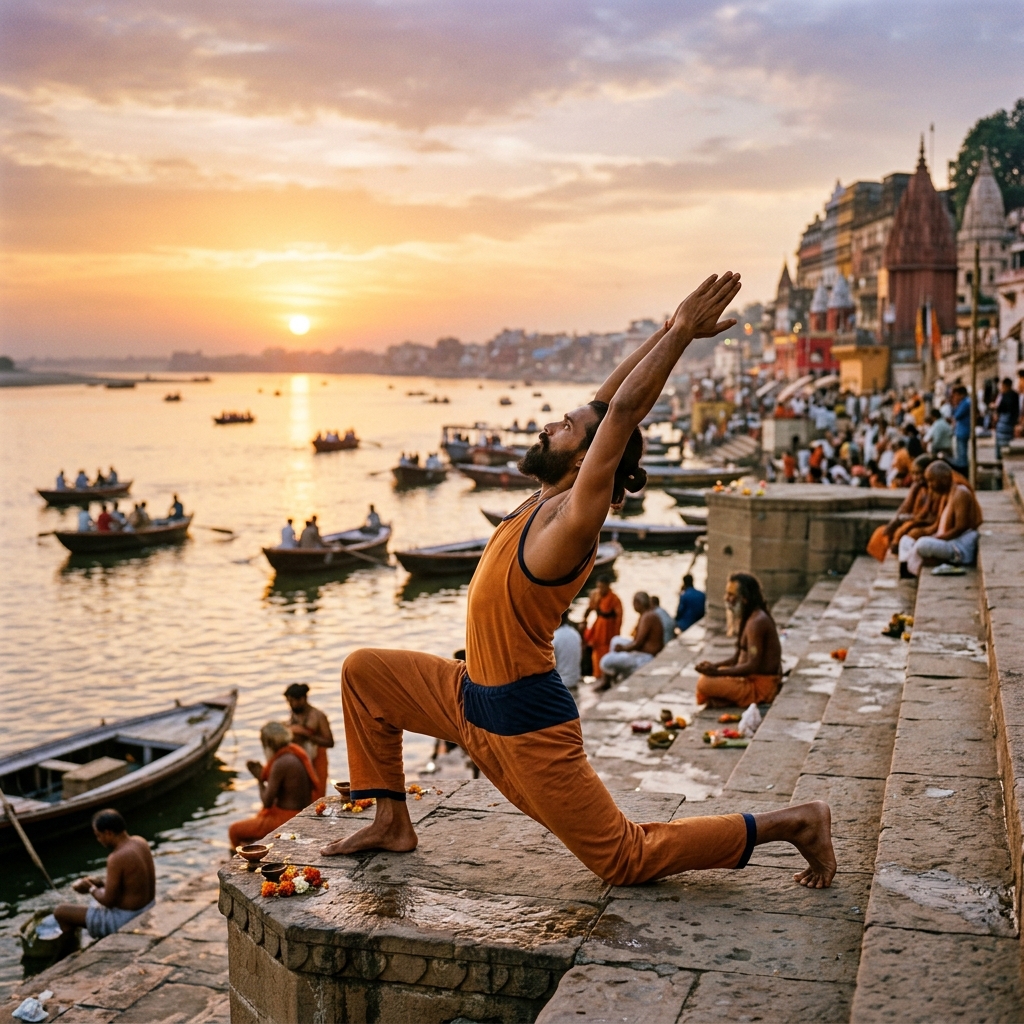
Yoga offers a profound and systematic approach to releasing chronic tension in the hips and pelvis, areas that store not just physical but often emotional stress from daily life. The hip joints are ball-and-socket joints capable of movement in all directions, yet modern lifestyles of sitting and limited movement patterns create severe restrictions in these crucial junctions between torso and legs. Yoga addresses hip tightness through poses that target all the muscle groups crossing this complex region: the hip flexors in the front, the hamstrings and adductors on the inner thighs, the external rotators deep in the buttocks, and the abductors along the outer hips. Pigeon Pose is renowned for its ability to access the deep external rotators and gluteal muscles that become tight from sitting, while Frog Pose and Butterfly Pose open the groin and inner thighs. Lunges like Anjaneyasana powerfully stretch the hip flexors, particularly the psoas, which connects the spine to the legs and shortens dramatically when we sit. The beauty of yoga lies in its balanced approach—we don't just stretch these muscles but also strengthen them through poses like Warrior II and Goddess, which create functional flexibility and joint stability. This balance prevents the hypermobility that can lead to joint damage. Hip-opening poses also stimulate the second chakra center, which governs creativity and emotion, which explains why deep hip work can trigger emotional release as stored tension dissolves. The pelvis, as the foundation of spinal alignment, affects the entire body; when it's free to move properly, lower back pain often diminishes, and walking becomes more fluid. Consistent hip practice increases synovial fluid production in the joint capsules, maintaining cartilage health and preventing arthritis. For athletes and desk workers alike, supple hips mean better performance and less pain. The key in yoga is patience and consistency—forcing the hips open triggers protective tightening, while gentle, persistent practice allows fascia to remodel and muscles to lengthen safely. The result is not just greater range of motion but a freer, more grounded way of moving through life, with the pelvis serving as a stable yet mobile foundation for all activities.
Beyond physical flexibility, yoga's approach to hip health includes strengthening the often-neglected muscles that stabilize the joint, creating functional strength that serves athletic performance and injury prevention. Many people focus only on stretching tight hips without realizing that stability is equally important; unstable hips transfer stress to the knees and lower back, creating a cascade of compensations and pain. Yoga poses that externally rotate the femur in the hip socket, like Warrior II and Goddess Pose, build endurance in the smaller rotator muscles that support healthy joint mechanics. Dynamic movements such as flowing in and out of hip circles or transitioning through various lunge positions keep the joints well-lubricated and adaptable to different ranges of motion. Hip health also connects intimately with pelvic floor function; tight hips often correlate with tension in the pelvic floor, which yoga addresses through specific breath work and mindful engagement. The emotional release that sometimes accompanies deep hip opening relates to the psoas muscle's connection to the stress response—this deep hip flexor tightens during fear and anxiety, and its release can trigger emotional processing. Teachers emphasize that this release should never be forced but allowed to emerge naturally in a context of safety and self-compassion. For athletes, supple hips mean better performance and fewer injuries; for desk workers, they mean pain-free sitting and walking. The practice also addresses the connective tissue or fascia that can bind the hips over time through repetitive positioning, using longer holds to allow these slower-to-change tissues to remodel. This comprehensive approach recognizes that the hips are not merely mechanical joints but centers of creative and emotional energy that, when freed, allow for fuller expression in movement and life. The patience required in hip opening teaches valuable lessons about acceptance and gradual progress that extend far beyond the mat. Ultimately, the goal is not to achieve extreme poses but to cultivate hips that are simultaneously strong and supple, stable and mobile, supporting a lifetime of comfortable, pain-free movement. This balance prevents both the rigidity that comes from disuse and the instability that can result from overstretching without strength. The integrated approach of yoga ensures that increased range of motion is functional and sustainable, serving practitioners in all their daily activities with ease and confidence.