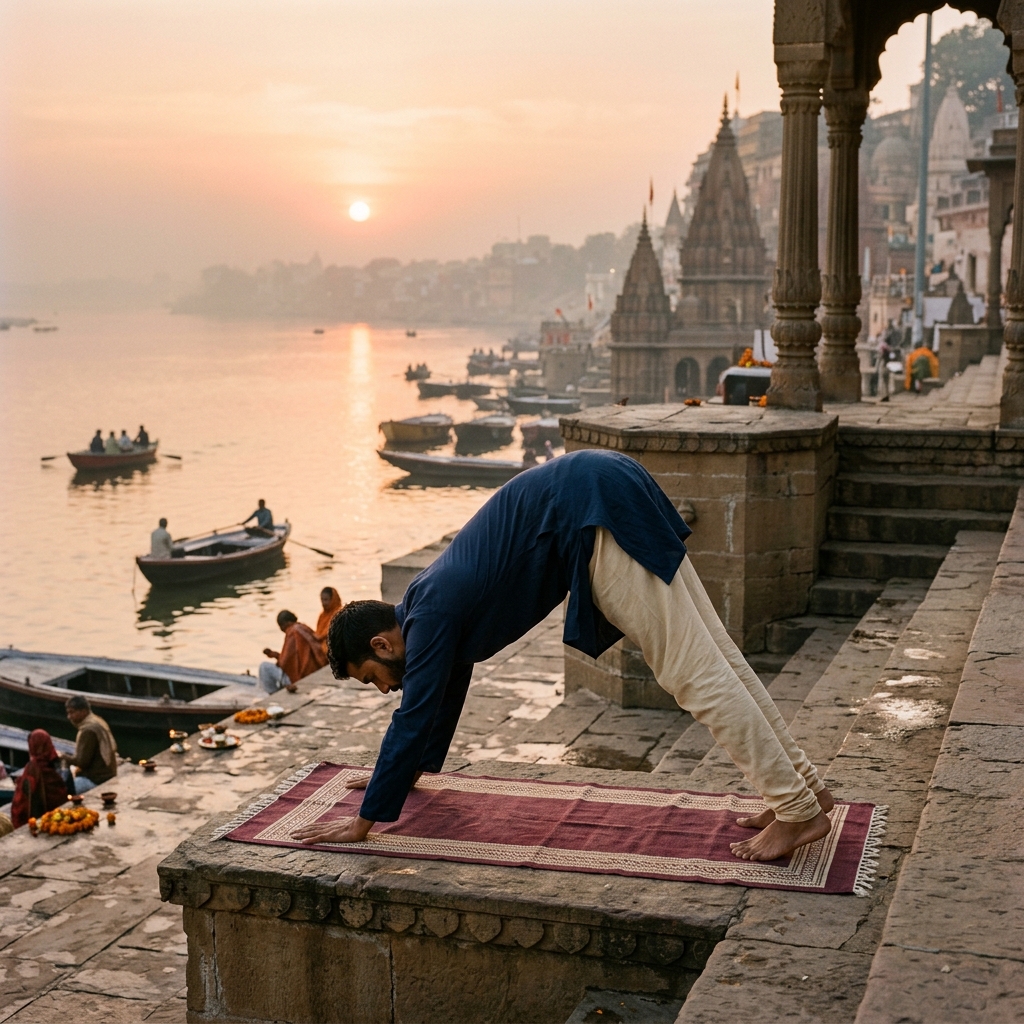
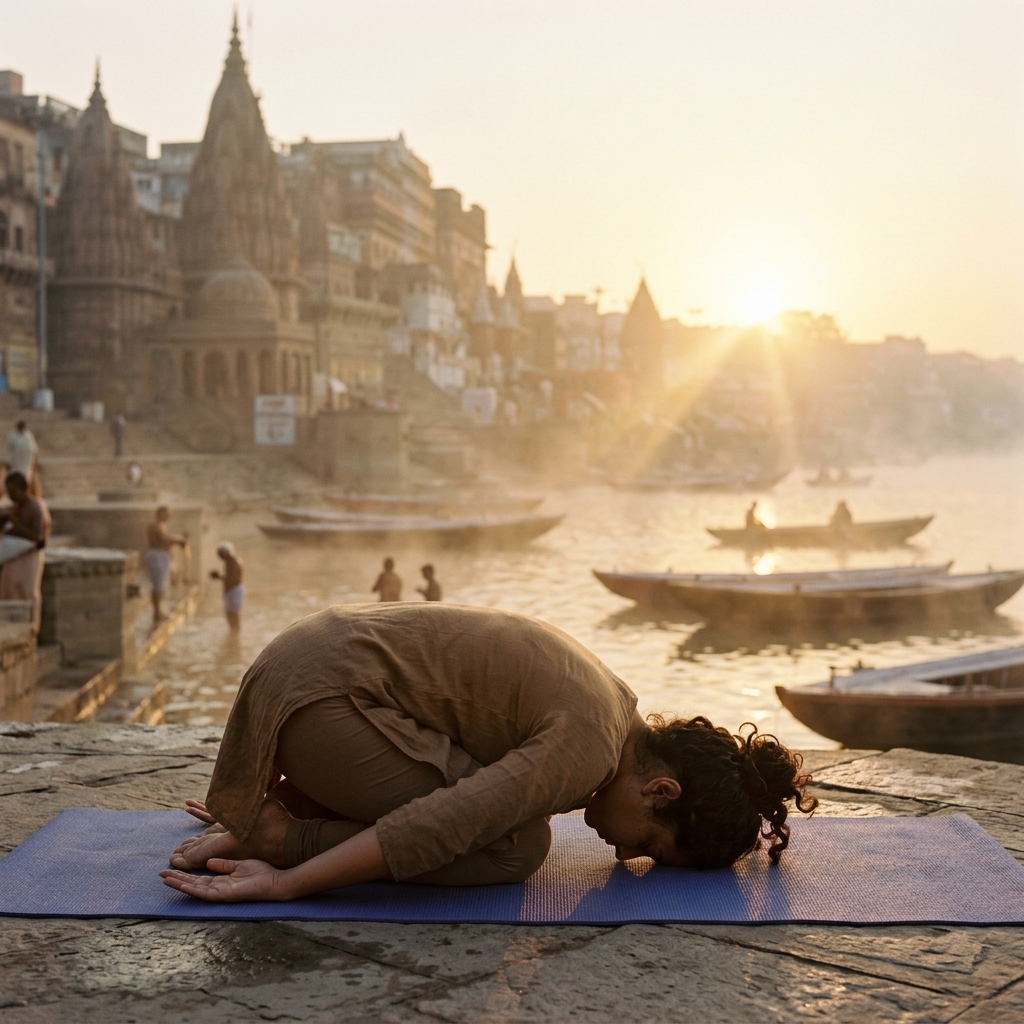
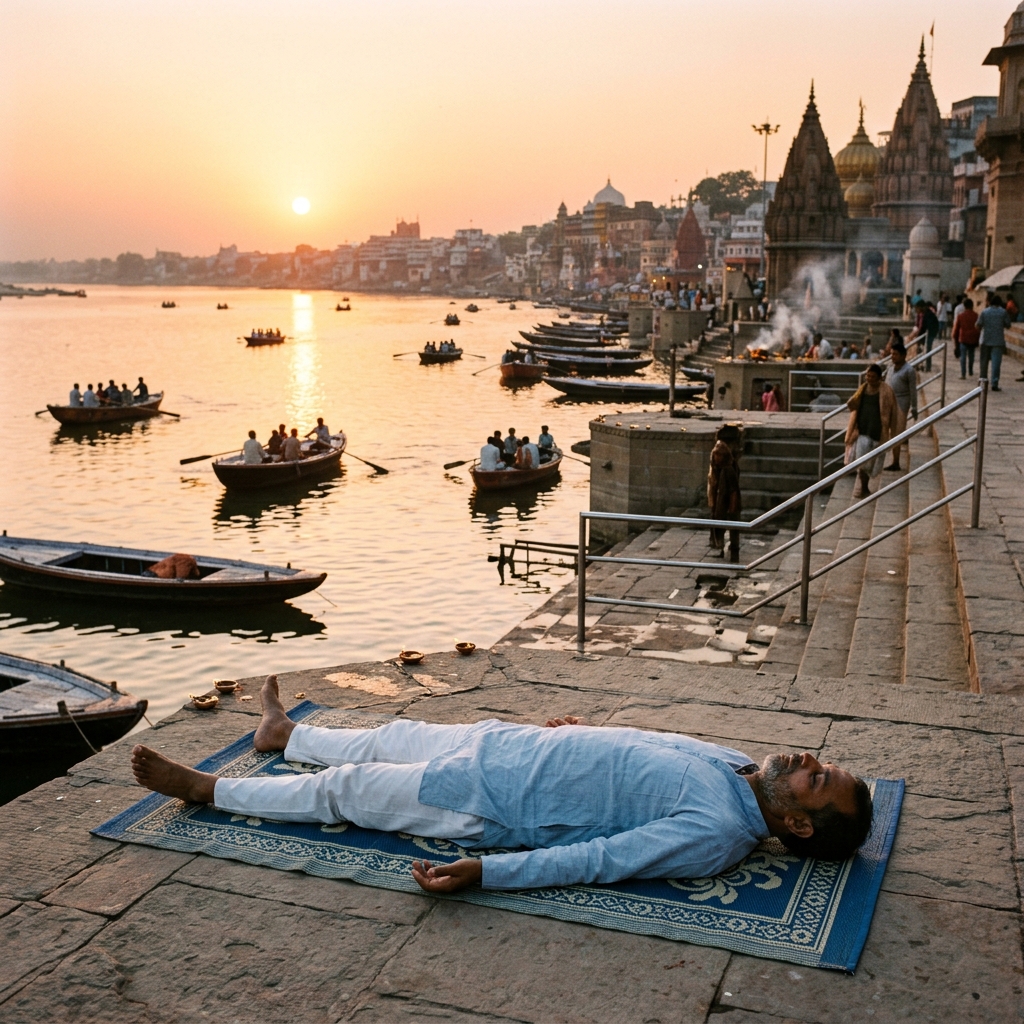
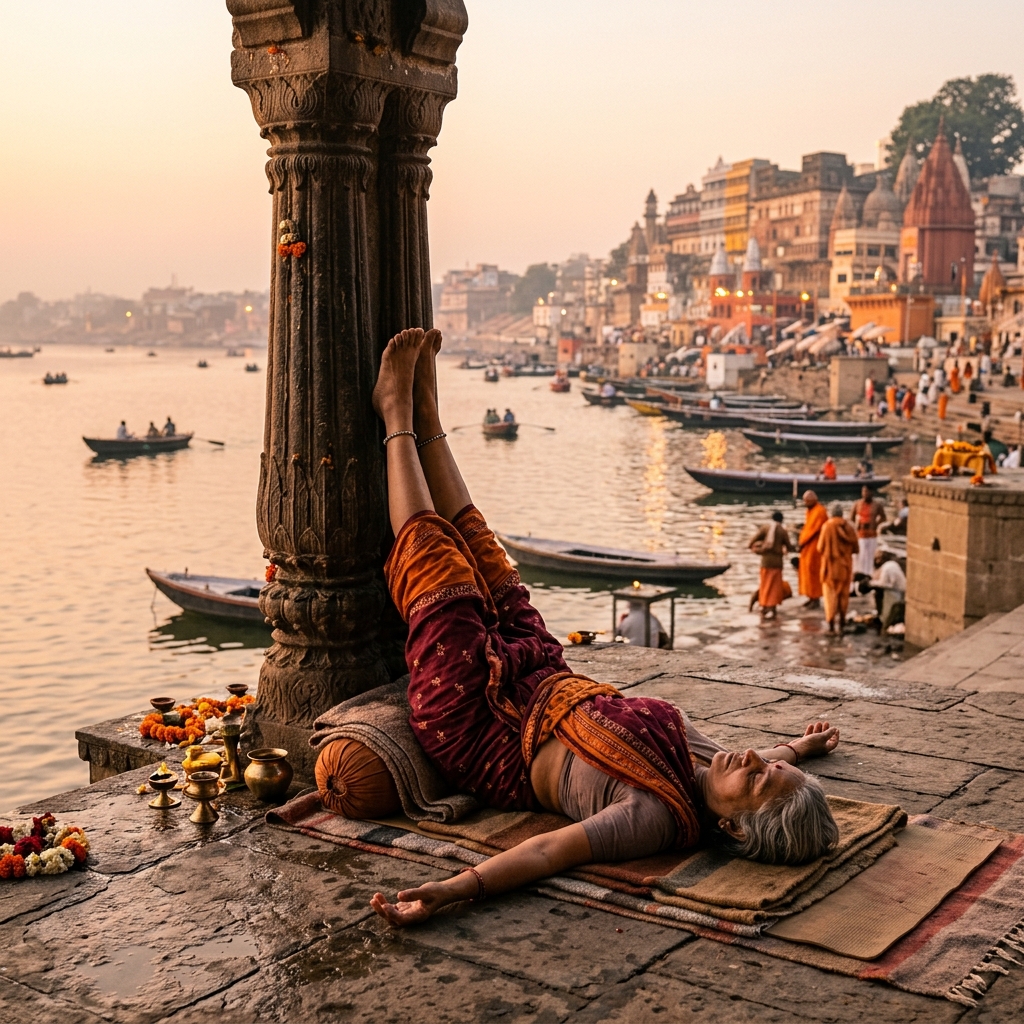
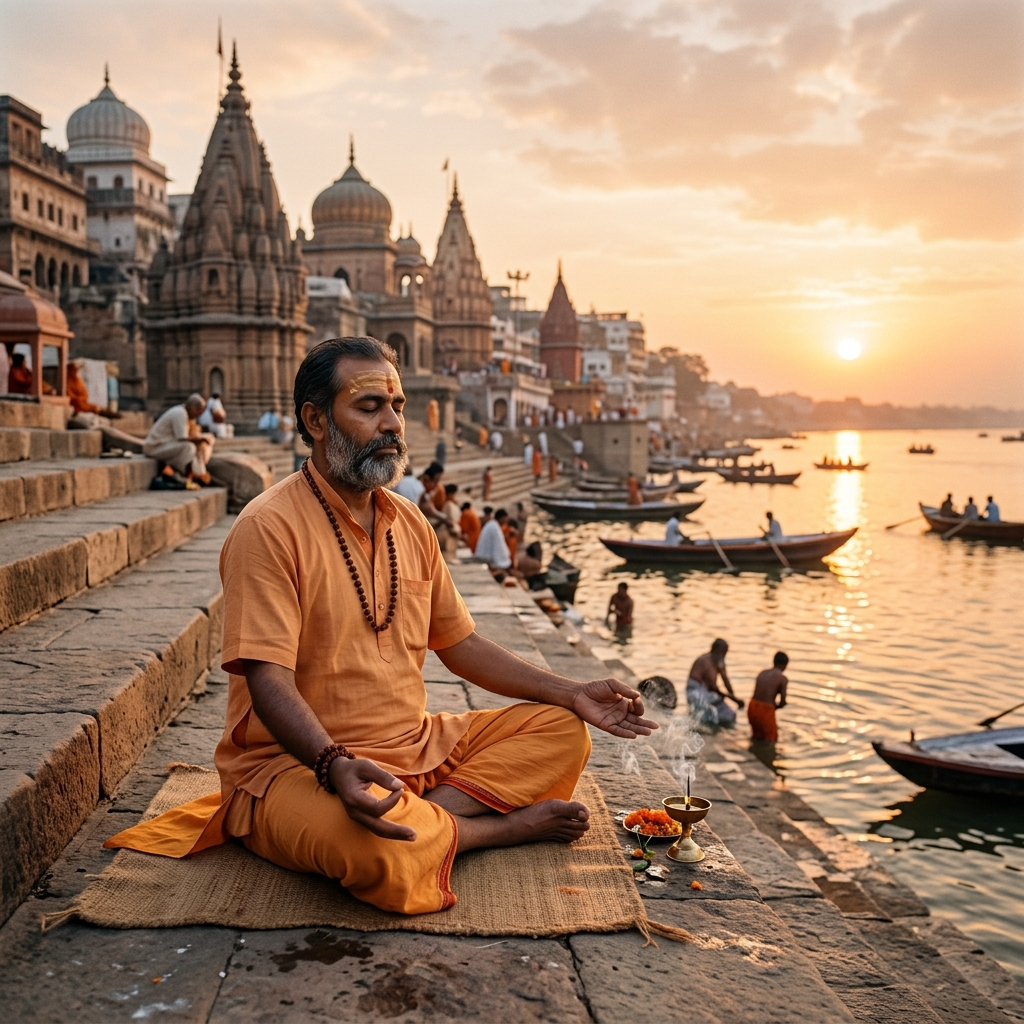
Yoga provides powerful tools for regulating the nervous system and transforming our relationship with stress and anxiety through both physiological and psychological mechanisms. The practice directly influences the autonomic nervous system by activating the parasympathetic, or rest-and-digest, response through specific breathing techniques and mindful movement. When we practice slow, deep diaphragmatic breathing, we stimulate the vagus nerve, which sends signals to the brain that we are safe, lowering heart rate and blood pressure while reducing the production of stress hormones like cortisol and adrenaline. Forward-folding poses such as Child's Pose and Seated Forward Bend have an inherently calming effect on the nervous system, drawing our awareness inward and providing a sense of safety and containment. These poses gently compress the abdomen, which can activate the relaxation response. Inversions, even mild ones like Legs-Up-the-Wall, temporarily reverse blood flow and give the heart a rest while quieting mental chatter. The mindfulness cultivated during yoga practice trains attention and present-moment awareness, which research shows can reduce the size of the amygdala, the brain's fear center, while strengthening connections in the prefrontal cortex associated with emotional regulation. As we move through challenging poses, we learn to observe physical and mental discomfort without reacting, building resilience that transfers to stressful situations off the mat. The philosophical teachings of yoga remind us that we are not our thoughts, creating distance from anxious mental loops. Restorative yoga, with its emphasis on long-held, fully supported poses, allows the body to experience deep states of relaxation that may be unfamiliar to chronically stressed individuals. Regular practice helps normalize sleep patterns, which is crucial since poor sleep exacerbates anxiety. Group classes provide community and reduce the isolation that often accompanies anxiety disorders. Over time, practitioners develop an internal toolkit they can access during stressful moments—perhaps a few mindful breaths at a red light or a gentle stretch during a difficult conversation. This embodied awareness prevents stress from accumulating to overwhelming levels. The integration of breath, movement, and meditation creates a holistic approach that addresses anxiety at its roots rather than merely managing symptoms, fostering genuine resilience and inner peace.
This mind-body connection extends beyond the mat into daily life. Practitioners often discover they respond differently to stressful situations, finding space between stimulus and response that allows for more skillful action. The practice builds emotional resilience by teaching us to stay present with discomfort rather than escaping through distraction. Over time, yoga transforms our fundamental relationship with stress—not as something to be eliminated but as a natural part of life that can be met with steadiness. The community aspect of group classes cannot be overstated; shared practice creates a supportive environment where individuals feel less alone in their struggles. Teachers trained in trauma-sensitive approaches can adapt practices for those with specific anxiety-related conditions. The cumulative effect of months and years of practice is a nervous system that remains more balanced even during challenging periods. Students report feeling more grounded during life transitions, better able to sleep through difficulties, and more capable of experiencing joy without the overshadowing cloud of worry. The self-compassion developed through meeting oneself exactly where one is, without judgment, gradually softens the harsh inner critic that often accompanies anxiety. This internal shift is perhaps yoga's greatest gift—the realization that peace is not contingent on external circumstances but available in each moment through the simple act of conscious breathing and mindful presence. The practice ultimately reveals that we already possess everything needed for inner calm; yoga simply reminds us how to access it. This embodied wisdom becomes a lifelong companion, growing deeper and more reliable with continued practice. In a world of quick fixes and temporary solutions, yoga offers something rare and precious: a sustainable path to genuine resilience and lasting peace.