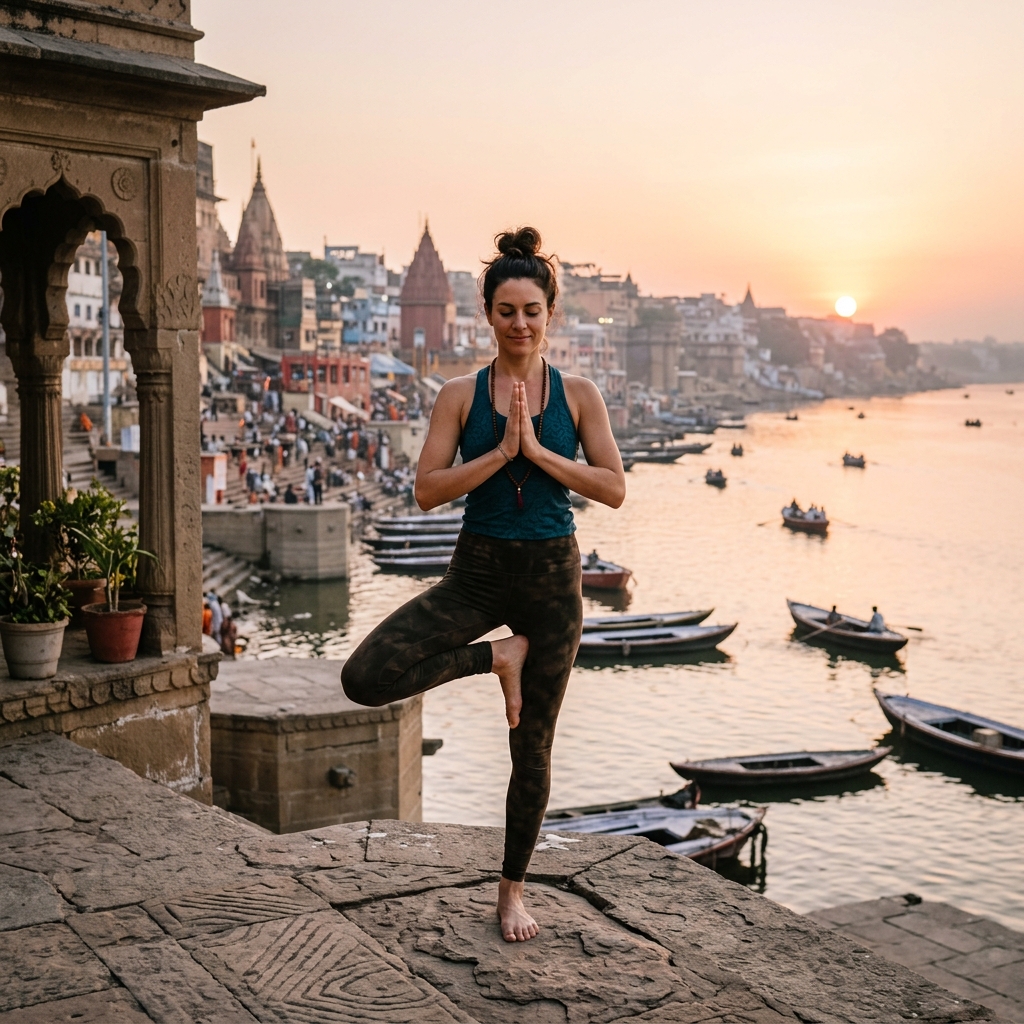
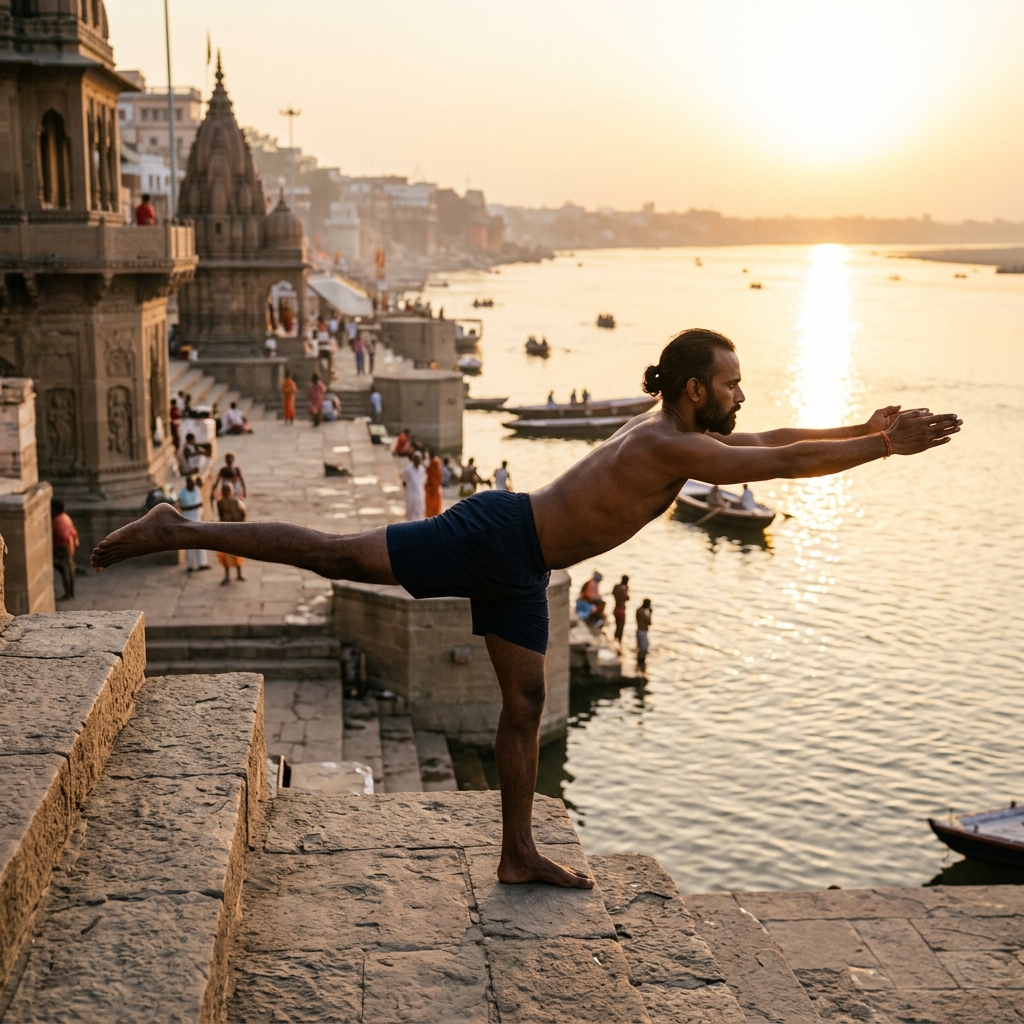
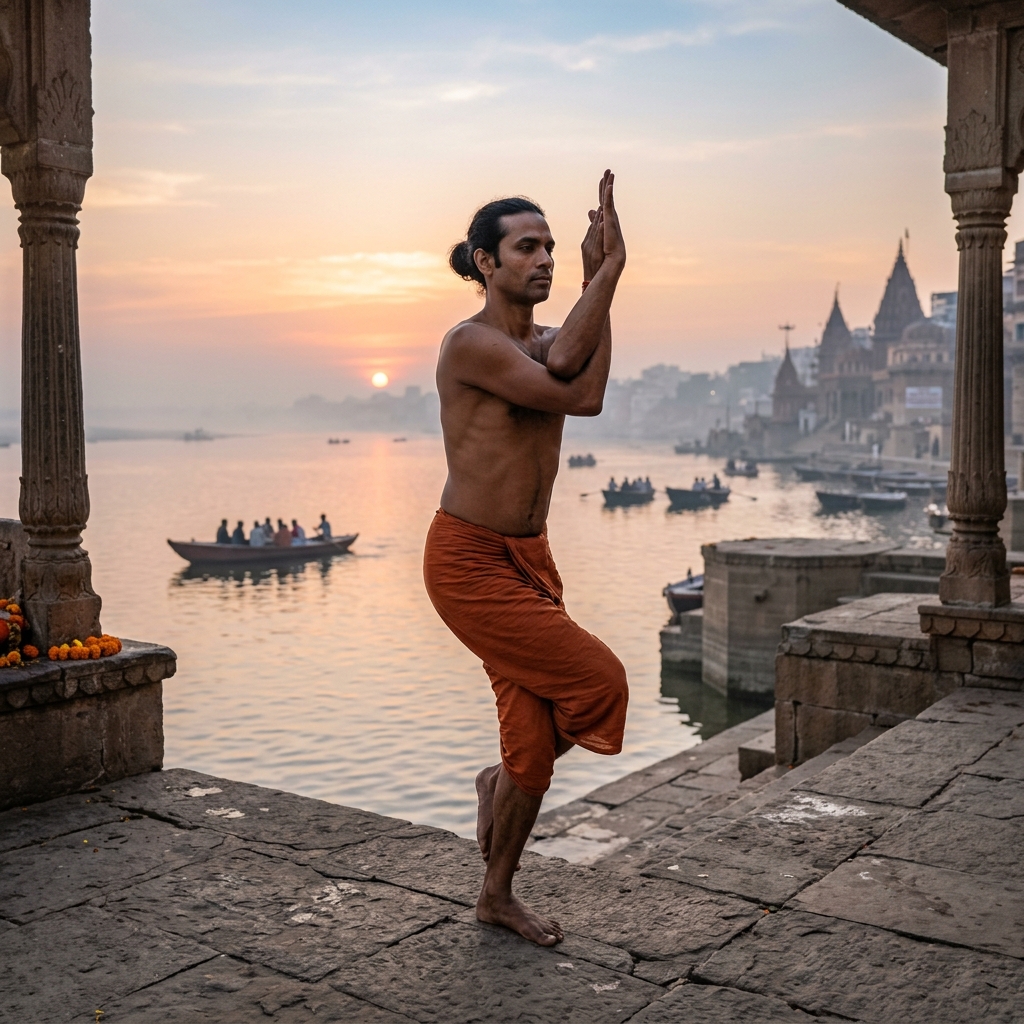
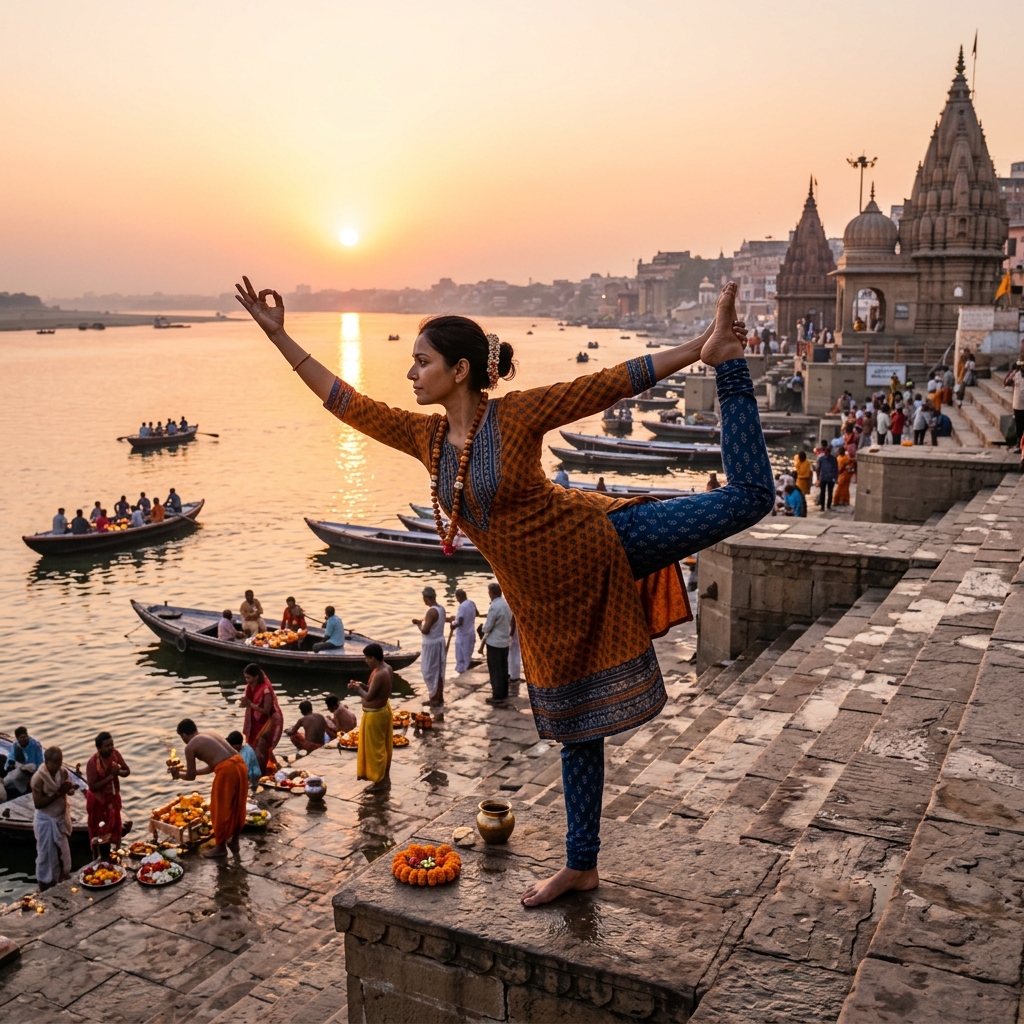
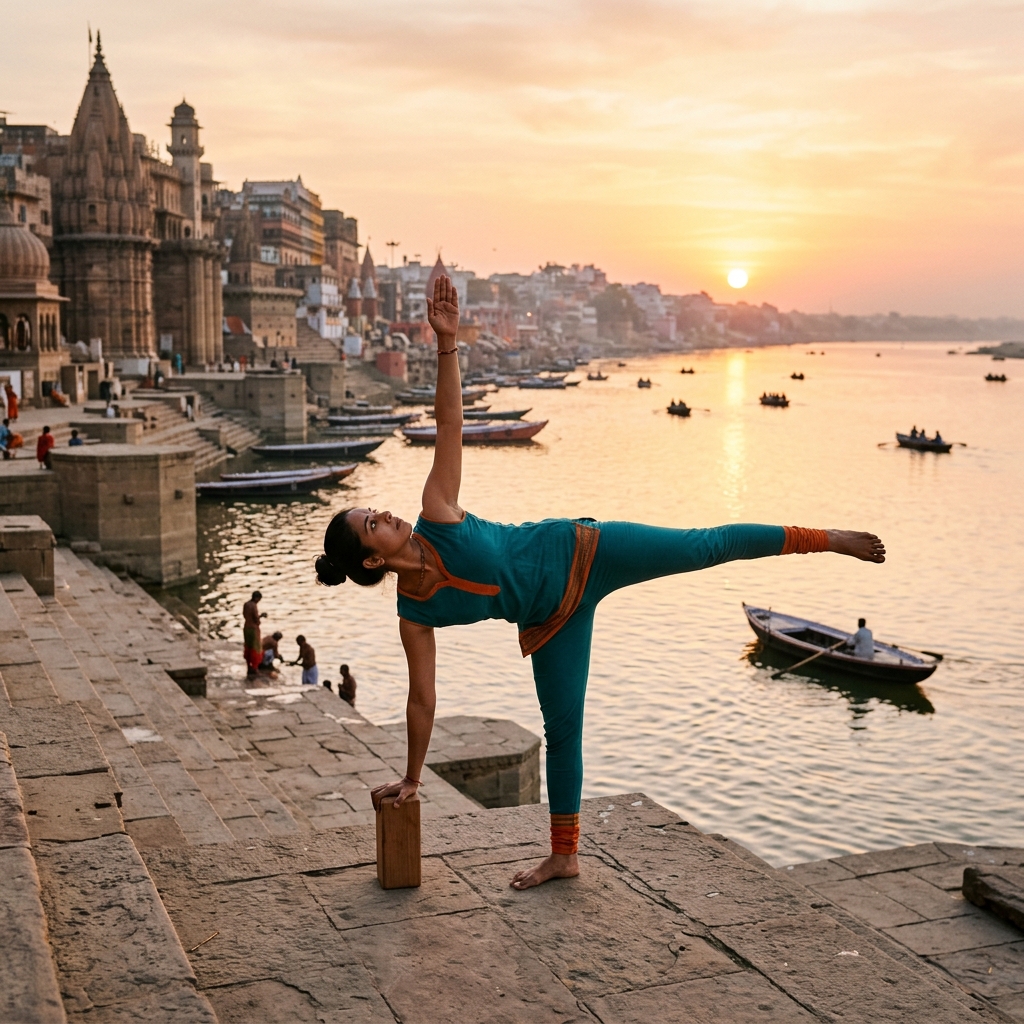
Yoga provides an effective, accessible system for improving balance and coordination that works by training proprioception, strengthening stabilizing muscles, and developing the mental focus required for steady movement through space. Balance is not merely a physical skill but a complex integration of sensory information from the eyes, inner ear, muscles, and joints that the brain must process to maintain upright posture and coordinated movement. Yoga poses that challenge balance, from simple Tree Pose to complex arm balances, provide the perfect training ground for this integration by requiring constant micro-adjustments based on feedback from multiple systems simultaneously. Standing poses strengthen the small stabilizing muscles of the ankles, knees, and hips that we rarely engage in flat-shoe, flat-surface modern life, building the foundation for confident movement. These poses also strengthen the core musculature that acts as the body's center of gravity, crucial for preventing falls and maintaining control during unexpected shifts. The focus on grounding through the feet in poses like Mountain and Warrior teaches sensitivity to weight distribution and alignment, skills that translate directly to walking on uneven surfaces or recovering from trips. Balancing poses require single-pointed concentration, training the mind to focus completely on the present moment—a skill that improves coordination in all activities. This mental training proves particularly valuable as we age, when fear of falling can itself become destabilizing. Yoga addresses the vestibular system through gentle head movements and inversions, improving the inner ear's ability to communicate spatial orientation to the brain. The coordination required to move through vinyasa sequences or hold complex poses like Eagle and Dancer integrates multiple body parts in novel patterns, creating new neural pathways and preventing the movement rigidity that comes from repetitive daily motions. For older adults, chair-based or wall-supported balance poses provide safe ways to maintain this crucial capacity for fall prevention. Yoga also improves flexibility, which contributes to balance by allowing the body to make necessary adjustments without strain or injury. The proprioceptive awareness built through regular practice makes us more confident in our movements, reducing the tension that actually increases fall risk. Many practitioners notice improved grace and ease in activities from sports to simply walking down stairs, as the body learns to organize itself efficiently around its center of gravity regardless of changing circumstances.