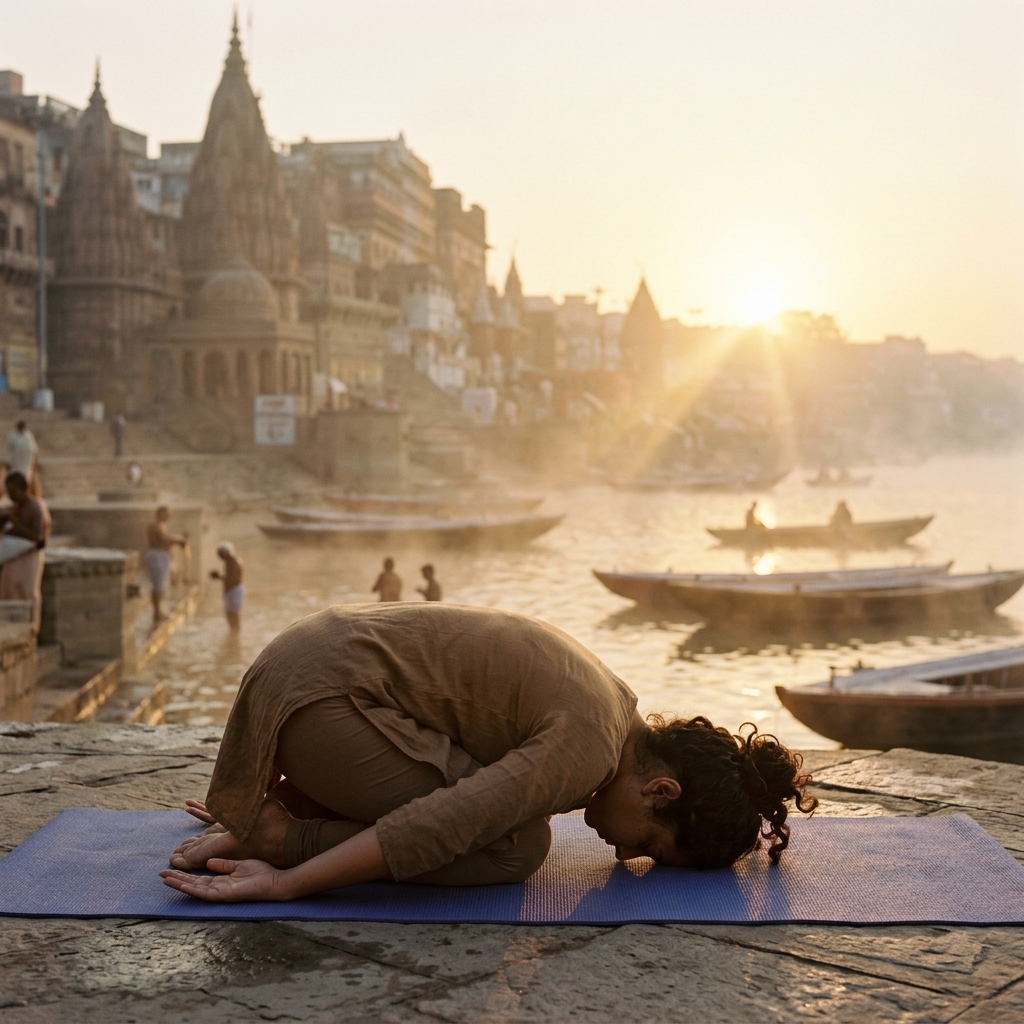
Yoga offers powerful, natural tools for addressing insomnia and improving sleep quality by regulating the nervous system and releasing the physical tension that keeps us awake at night. The practice works on multiple levels to prepare body and mind for rest, primarily through downregulating the sympathetic nervous system responsible for the fight-or-flight response and activating the parasympathetic system that governs rest and restoration. Restorative poses, supported by props like bolsters and blankets, send signals of safety to the nervous system, allowing muscles to release their chronic holding patterns without requiring mental effort. Legs-Up-the-Wall Pose is particularly effective because it gently reverses blood flow, encourages venous drainage from the legs, and quiets the mind while keeping the body comfortable. Child's Pose and gentle forward folds soothe the nervous system and provide the sense of containment that anxious minds often crave. Yoga Nidra, a guided meditation practice often taught in yoga classes, induces a state of conscious deep relaxation that can be even more restorative than sleep for some people, though it doesn't replace nighttime rest. The mindfulness skills developed through regular practice help break the cycle of rumination and worry that often prevents sleep onset, teaching practitioners to observe thoughts without becoming entangled in them. Breath practices like Nadi Shodhana (alternate nostril breathing) balance the hemispheres of the brain and activate the relaxation response almost immediately. Regular movement practice during the day helps regulate circadian rhythms, especially when practiced in natural light, reinforcing the body's natural sleep-wake cycle. As yoga reduces overall stress and anxiety levels, falling asleep becomes easier and staying asleep more natural. The physical benefits matter too—releasing hip and back tension makes finding comfortable sleeping positions easier, while improved breathing reduces nighttime disruptions like snoring or sleep apnea. Many practitioners find that an evening yoga routine, even just ten minutes long, creates a powerful ritual that cues the body for sleep, much like a bedtime story does for children. Unlike sleep medications, which can have dependency issues and leave people groggy, yoga addresses the root causes of sleep difficulties while building sustainable habits for lifelong good sleep hygiene. Over time, the cumulative effect is a more regulated nervous system that naturally moves between activity and rest with greater ease.
The breathing techniques learned in yoga provide tools that can be used anytime during the night when sleep proves elusive, without medication side effects or dependency concerns. Specific pranayama practices balance the autonomic nervous system quickly, making them valuable during those frustrating moments of lying awake. Yoga philosophy offers perspective that reduces performance anxiety around sleep itself—the harder one tries to force sleep, the more elusive it becomes; yoga teaches paradoxical approaches of letting go and yielding that often work better than effort. The lifestyle factors often addressed in yoga practice, such as reducing stimulant intake and establishing regular routines, directly support healthy circadian rhythms. Teachers emphasize sleep hygiene practices that align with natural light-dark cycles and support melatonin production. The physical benefits of reduced pain and tension mean fewer nighttime awakenings due to discomfort, which can fragment sleep architecture even if one doesn't fully wake. Restorative yoga practices can be done in bed, providing accessible tools when getting up to practice isn't possible or desirable. The meditative aspects of yoga help practitioners develop a different relationship with nighttime thoughts, recognizing them as mental events rather than truths requiring engagement or solutions. This cognitive shift proves invaluable for those whose sleep difficulties stem from racing thoughts or worry. Over months of consistent practice, many find their overall sleep architecture improves, with more time in deep, restorative sleep stages. The benefits extend to daytime functioning as well, since better sleep improves the very nervous system regulation that yoga cultivates, creating a positive upward spiral. Unlike sleep aids that may impair cognitive function the next day, yoga enhances daytime alertness while improving nighttime rest. The practice provides sustainable, lifelong tools rather than temporary solutions, empowering individuals to care for their sleep health independently. This self-efficacy around sleep reduces anxiety about sleep itself, further breaking the cycle of insomnia. The integration of body, breath, and mind means improvements tend to be holistic rather than limited to just sleep duration or quality. Ultimately, yoga addresses sleep as part of overall wellbeing rather than an isolated problem, creating conditions where good sleep can emerge naturally from balanced living.